What does self-care look like when you're living with AKU?
For some, it means keeping active. For others, it’s finding ways to manage pain, prioritising mental wellbeing or connecting with people who truly understand the challenges of living with a rare condition.
These themes were at the heart of our virtual Self Care for Rare event, held on 2nd July 2026. Bringing together expert speakers, lived experience and interactive community discussions, the event explored practical ways to support wellbeing and encourage people to make self-care a priority.
Whether you joined us on the day or couldn’t make it, here’s a round-up of the key takeaways.
Beginning with the Breath
The day began with an interactive session led by Charlotte Saunders, Advanced Breathwork Coach and Experiential Empowerment Coach.
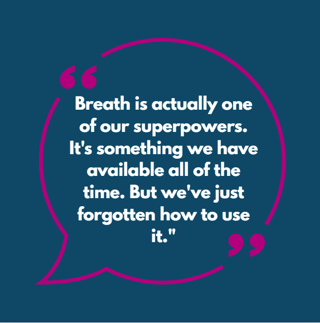
Charlotte introduced breathwork as an accessible self-management tool that is always available, describing it as one of our “superpowers” because it is one of the few bodily functions we can consciously control. Drawing on her own experience of living with chronic pain, she shared how breathwork had become an important part of managing pain and anxiety in her own life.
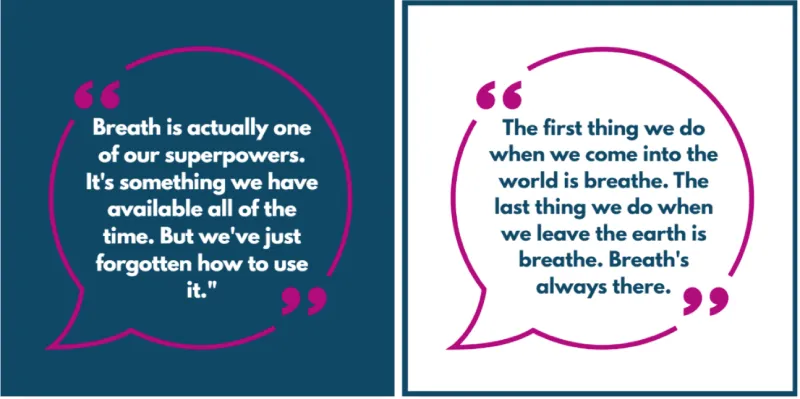
The session explored the science behind breathing and how simple techniques can help regulate the nervous system. Charlotte explained the role of the vagus nerve in activating the parasympathetic (“rest and digest”) nervous system. She also highlighted the benefits of nasal breathing, including the production of nitric oxide, before guiding attendees through practical techniques such as diaphragmatic breathing, the physiological sigh and coherence breathing. These simple techniques can provide practical tools that may support relaxation and help people manage stress, anxiety, pain and everyday challenges.
The second session was led by Sophie Taylor, Advanced Clinical Physiotherapy Practitioner and Clinical Physiotherapy Specialist at the National Alkaptonuria Centre (NAC). Sophie explored the important role physiotherapy plays in supporting people living with AKU to maintain mobility, function and independence. Emphasising that “exercise is absolutely the most important single thing that you can do in terms of self-management,” she encouraged attendees to view movement as a key part of managing AKU and improving quality of life.
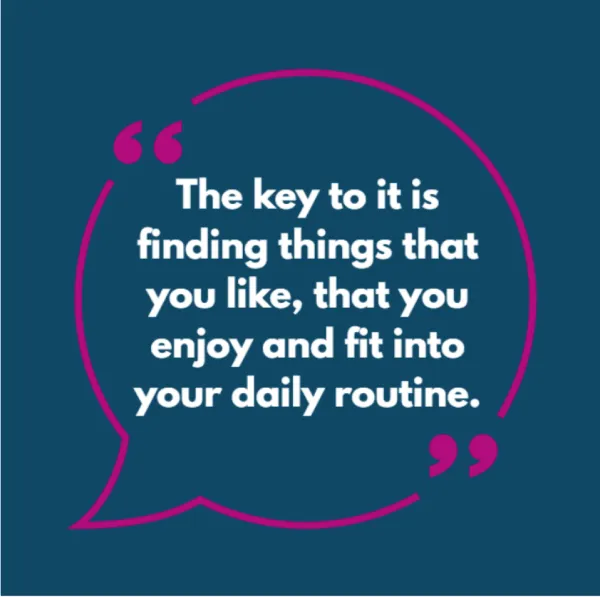
Sophie explained how AKU can affect the musculoskeletal system over time, contributing to joint stiffness, reduced flexibility and muscle weakness. She highlighted the importance of maintaining strength, flexibility and cardiovascular fitness through regular physical activity, while encouraging people to choose exercises they enjoy and can realistically incorporate into their daily routine. The session also covered practical strategies such as pacing activities, setting achievable goals and adapting exercise to individual needs, reinforcing that consistency is key and that even small amounts of regular movement can make a meaningful difference.
Understanding Pain Beyond the Physical
The afternoon began with a thought-provoking session from Dr Andy Jones, Pain Specialist at the NAC.
Drawing on both research and real-life examples, Dr Jones explored why chronic pain is “much more than it hurts,” explaining that pain is not simply a physical sensation, but an experience shaped by the brain, nervous system, emotions and our individual life experiences. He challenged the common misconception that pain is always linked to tissue damage, demonstrating how emotions, stress and context can all influence the way pain is experienced.
Using examples ranging from a construction worker who believed a nail had gone through his foot to research from the Second World War, Dr Jones illustrated how two people with similar injuries can experience pain very differently. He also explored the growing body of evidence linking chronic pain with emotions such as fear, anxiety and anger, highlighting how these feelings can contribute to a cycle that amplifies pain over time.
Dr Jones also discussed how approaches to chronic pain management have evolved. While medication and medical procedures can still play an important role, he explained that they often provide limited long-term benefit for chronic pain. Instead, he highlighted a range of evidence-based approaches that focus on improving quality of life, including cognitive behavioural therapy (CBT), acceptance and commitment therapy (ACT), mindfulness, goal setting and regular physical activity. Together, these strategies can help people better understand their pain, build resilience and develop practical ways to live well alongside it.
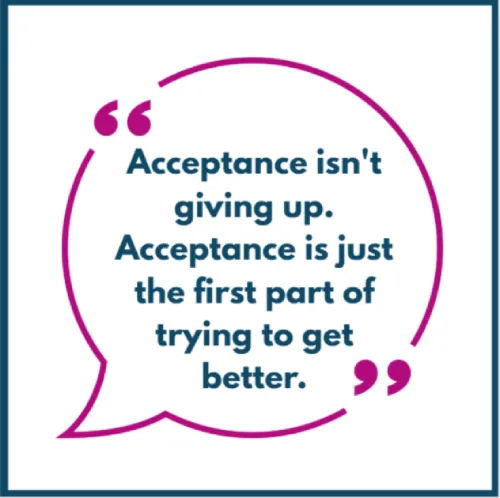
The session concluded with an open discussion, giving attendees the opportunity to ask questions and share their own experiences of living with chronic pain. A number of important themes emerged, including the grief and sense of loss that can accompany chronic pain, the challenge of explaining fluctuating symptoms to family, friends and employers, and the emotional impact of giving up hobbies, careers or parts of everyday life. Dr Jones acknowledged that these feelings are common and valid, describing chronic pain as “a bereavement process” and emphasising that accepting pain is not about giving up, but about finding a way to move forward.
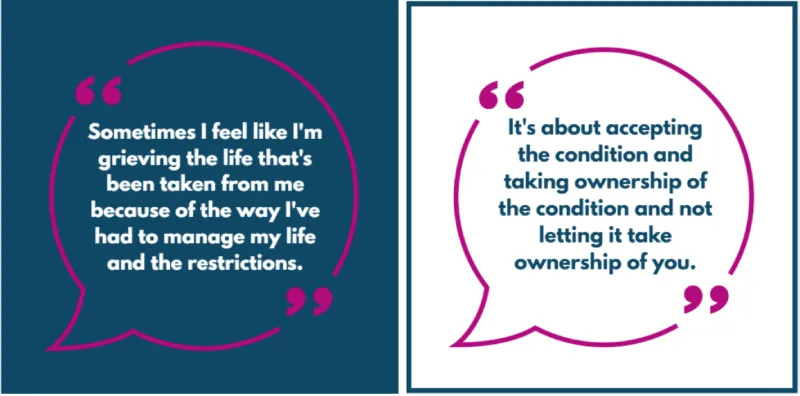
The discussion also explored how chronic pain can affect relationships, identity and even personality. Attendees spoke about the frustration of living with unpredictable good and bad days, while Dr Jones explained that chronic pain can bring about changes in the brain that may influence emotions, patience and mood. Many participants reflected on how difficult it can be to help others understand these changes, reinforcing the importance of empathy, validation and open communication.
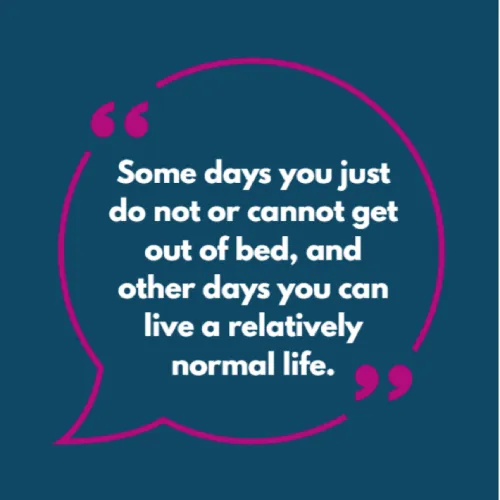
The conversation concluded with practical strategies for living well alongside chronic pain, including pacing activities, planning around good and bad days, educating loved ones about fluctuating symptoms and seeking supportive workplaces. One particularly empowering message was the importance of continuing to do the things that bring joy, even if that means adapting expectations or allowing time to recover afterwards. Rather than avoiding meaningful activities altogether, Dr Jones encouraged attendees to make informed choices that prioritise quality of life.
The afternoon continued with a Community Chat led by Connor Peebles, who shared his personal journey of living with vascular Ehlers-Danlos syndrome (vEDS). Connor spoke openly about receiving his diagnosis just weeks before his brother’s wedding, the shock of later learning that his young son, Alfred, also had the condition, and the emotional impact this had on him and his family. Reflecting on his experience, Connor described how his diagnosis divided his life into “before diagnosis” and “after diagnosis”, and the challenges of coming to terms with an unexpected future.
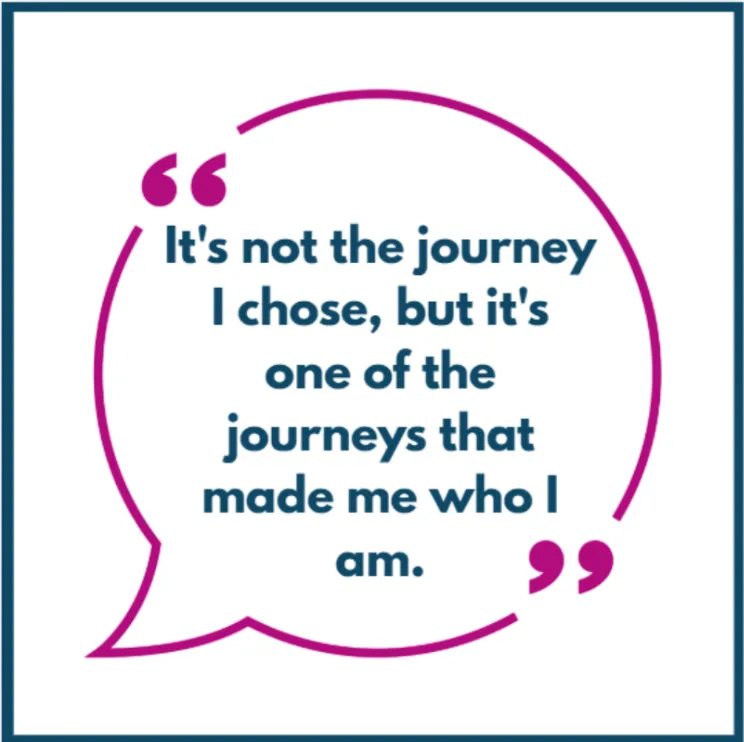
Connor spoke honestly about the difficult months following his diagnosis, explaining how he withdrew from family and friends before realising that he didn’t want his condition-or his son’s-to define their lives. Instead, he found purpose by reconnecting with loved ones, returning to exercise in a way that felt safe, raising awareness, fundraising and establishing a local support group for people living with rare diseases. His story was a powerful reminder that while a diagnosis can change life dramatically, it does not have to define who you are.
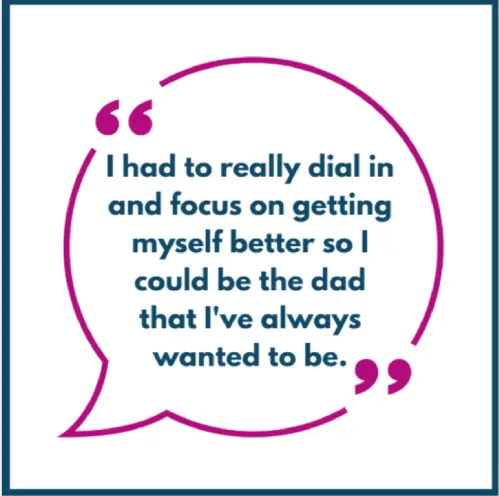
The discussion also highlighted the importance of self-care beyond physical health. Connor shared how writing poetry became an important outlet for processing his emotions, while planning each day, spending time with his family and practising grounding techniques helped him manage periods of anxiety and overwhelm. His honesty encouraged attendees to reflect on their own experiences, sparking an open and heartfelt conversation about diagnosis, parenting, advocacy and living with a rare condition.
Questions ranged from navigating the uncertainty of a diagnosis and supporting children with rare diseases to raising awareness and the importance of early diagnosis. Throughout the discussion, there was a shared recognition that while every rare disease journey is unique, many of the emotional challenges are universal. It was a powerful reminder of the value of sharing experiences, supporting one another and knowing that no one has to face a rare disease alone.
Learning From One Another
The day concluded with a facilitated Community Chat, where attendees reflected on the day’s discussions and shared their own experiences of living with AKU through a series of interactive activities. The responses highlighted the value of lived experience, offering practical advice, reassurance and encouragement from people who truly understand the realities of living with a rare condition.
What advice would you give your younger self?
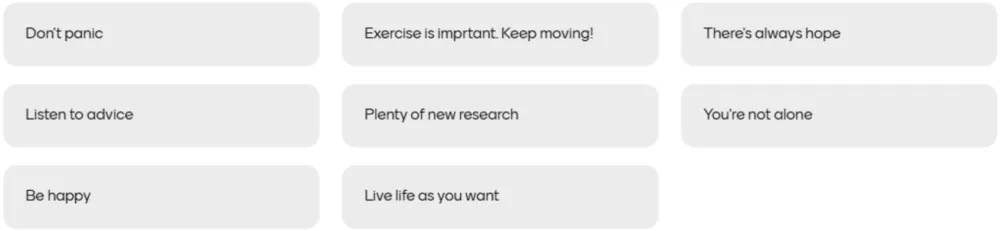
One of the most thought-provoking questions invited attendees to reflect on what they wish they had known when they were first diagnosed with AKU. Together, the responses formed a simple but powerful message for anyone beginning their journey: don’t panic, you’re not alone, keep moving, there’s always hope, and live the life you want.
Attendees also shared practical tips for managing everyday life with AKU, from planning rest periods and breaking tasks into manageable sections to staying active and making small adaptations that support independence.
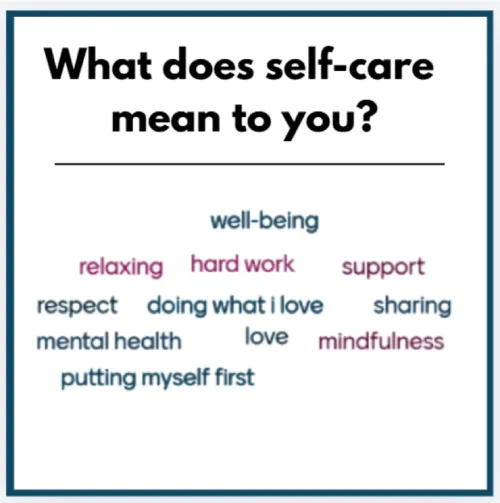
As the day came to a close, one thing was clear: self-care is not a one-size-fits-all approach. Whether through breathwork, movement, managing pain, connecting with others or simply taking time to recharge, everyone has their own ways of looking after themselves.
Thank you to everyone who joined us for Self Care for Rare 2026. Your willingness to share your experiences, ask questions and support one another made the discussions so meaningful, and we hope you took away something that will support your own self-care journey.